

Your water has beentreated. Not purified.
Tap water meets regulations. But compliance doesn't mean purity.
What's actually in your water
Official data. Not assumptions.
PFAS don't break down — in nature or in your body. They accumulate over time and have been linked to thyroid disruption, immune system weakening, and increased cancer risk. 12 million Europeans are exposed. Regulations are still catching up.
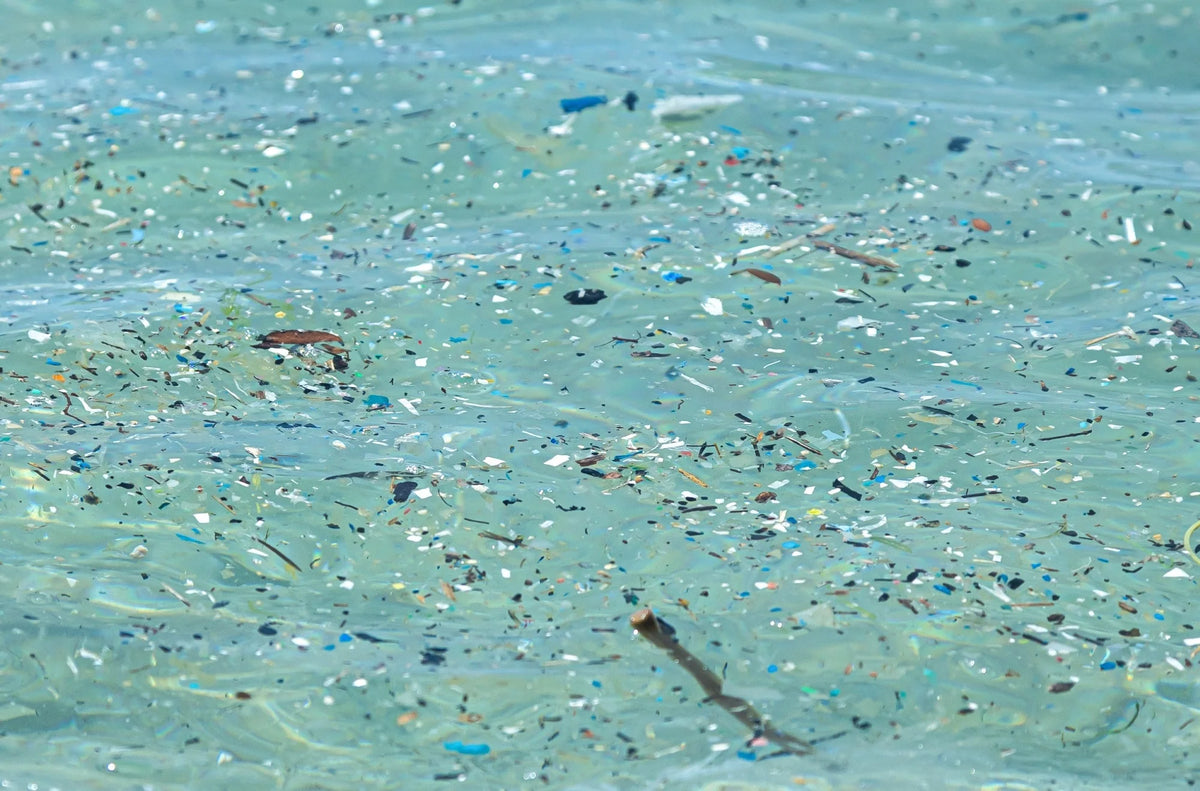
Found in both bottled and tap water. Particles under 20 microns can cross the intestinal barrier and enter your bloodstream. Linked to inflammation, oxidative stress and hormonal disruption. No regulatory limit exists for either source.

Chlorine disinfects your water at the plant. It's also what gives tap water that chemical taste and smell. But the real issue is what it creates — THMs, by-products associated with increased risk of bladder cancer and reproductive complications with long-term exposure. The treatment travels all the way to your glass.
Lead from aging pipes affects cognitive development and kidney function. Pesticide residues — some banned years ago — still persist in groundwater. Arsenic, even at low levels, has been linked to skin, lung and bladder damage over time.
Chlorine keeps water safe but reacts with organic matter to form trihalomethanes (THMs) — by-products the WHO links to increased bladder cancer risk with long-term exposure.
PFOA classified as a confirmed carcinogen (Group 1) by IARC/WHO in 2023. These chemicals persist in the environment indefinitely and accumulate in the body.
UK water companies test for over 100 pesticides. The Drinking Water Inspectorate regularly finds traces that pass through conventional treatment.
The WHO confirms there is no safe level of lead exposure. The UK still has millions of homes connected via lead pipes installed before the 1970 ban.
Naturally present in water, excess fluoride is linked to dental and skeletal issues. Some regions naturally exceed the WHO recommended limit.
